In the Perry lab, we are fueled by a desire to make a difference in understanding and intervening in disease states in which metabolism is relevant – and by the fact that doing science is fun. We work in complementary in vivo and in vitro rodent systems. Most projects, though led by an individual, are collaborative – we all (including the PI) participate hands-on to some extent in most projects. We are committed to fostering an enrichment that values diversity and inclusion.
Lab Manual
You are welcome to access the Perry lab manual here. If you have any questions, please email Rachel!
Projects
Several sub-projects are available within each of the themes that the lab studies. Please click on project titles to be taken to a list of relevant literature (from our lab and others).
Obesity and cancer
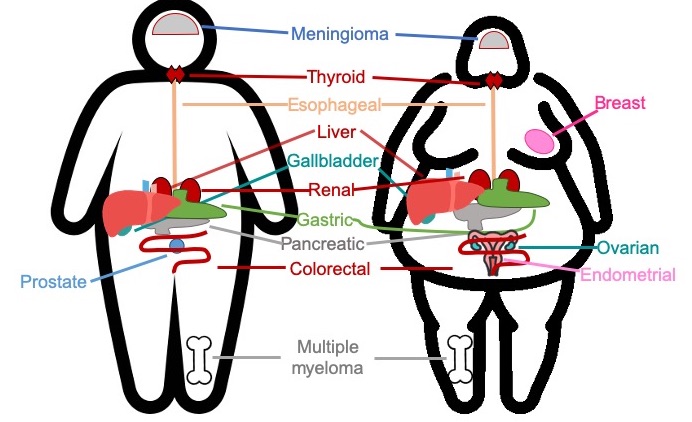
Obesity is associated with increased incidence and poorer prognosis of over a dozen tumor types, but the mechanism for this is not well understood. We use unique tracer methods to examine substrate utilization in tumors and determine both how tumor metabolism is altered with obesity, and how this modulates cell division.
Exercise and cancer
We are combining our experience in both muscle physiology and tumor metabolism to explore how exercise slows tumor growth, with the goal to identify the molecule(s) and/or mitochondrial flux(es) responsible for the anti tumor effect of exercise.

Cancer immunometabolism
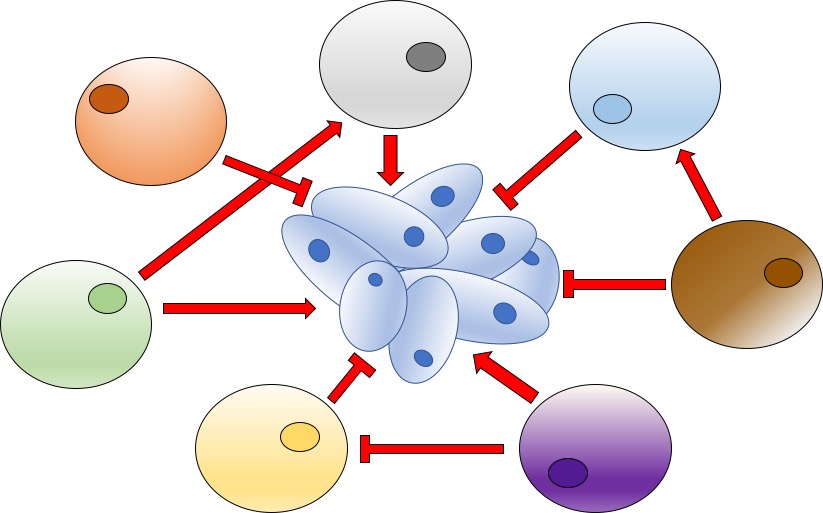
Cancer immunometabolism is a hot topic of great clinical interest. We are interested in exploring how the immune cell fuels its functions, and whether we can module anti-cancer immune activity using metabolically-based therapies.
Substrate partitioning in stress states
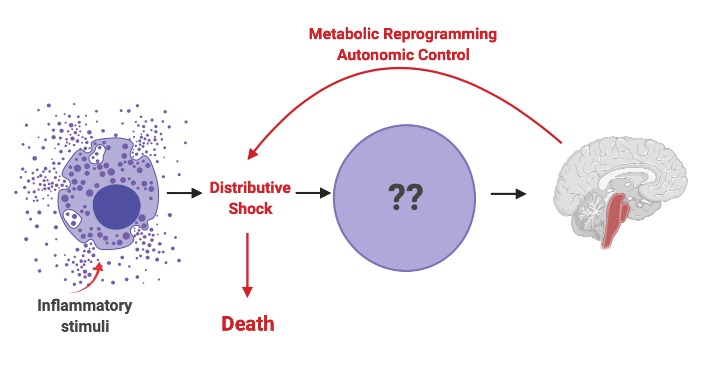
During certain stress states (e.g. infection, anaphylaxis, severe hypoglycemia, and others), the body must reallocate substrates. Evolution has tuned the body to do this exquisitely, but human understanding has not caught up. We are exploring this phenomenon mechanistically, aiming to identify crucial factors for substrate partitioning, and to understand the changes in tissue-specific fluxes that they cause. This is a close collaboration with Dr. Andrew Wang’s lab.
Reproductive physiology
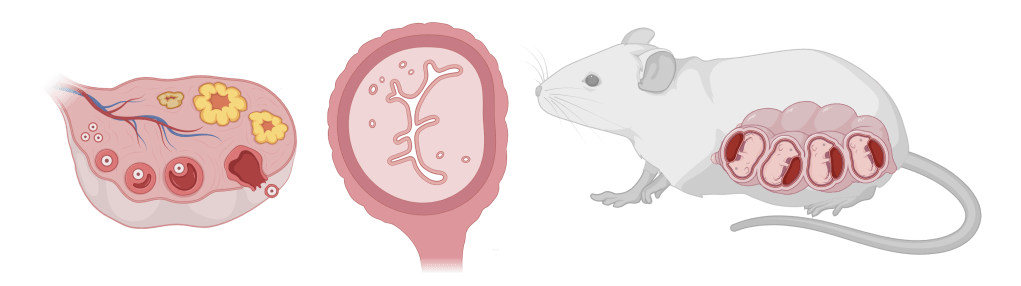
We would like to understand how obesity intersects with reproductive dysfunction: why are women (and mice) with obesity less likely to conceive, and less likely to carry to term? What aspects of metabolic physiology account for this?
Method development
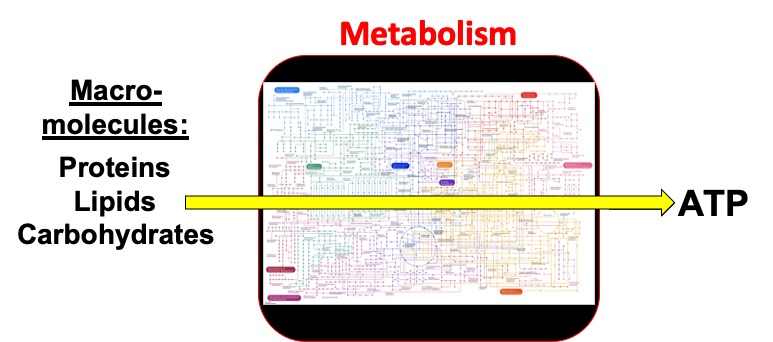
In order to better understand the intersection between metabolism and survival under (patho)physiological conditions, we are developing, validating, and utilizing methods to explore substrate metabolism in tumor, kidney, and others.
Techniques
This list is not exhaustive; we add new ones all the time!
- Mouse care and handling
- In vivo infusions and metabolic studies in mice
- Liquid chromatography/mass spectrometry
- Nuclear magnetic resonance spectroscopy
- RNAseq and proteomics analysis
- Oxidative metabolism using the Alabama Tissue Slicer
- Biochemical analysis of glucose and lipid metabolites (ELISA, mass spec, enzymatic assays)
- Cell culture and in vitro metabolic assays
- PET-CT image analysis
Lab Meeting
Our lab meetings are on Monday afternoons. Some weeks, we discuss data; others, we have journal club or discuss practical things (e.g. how to write a paper, goal setting, annual review of the lab manual, etc.). Visitors are welcome, but please contact Rachel beforehand – mostly to make sure lab meeting is on for the week(s) you want to attend.
 Perry Lab